 trivedi associate May 15, 2026
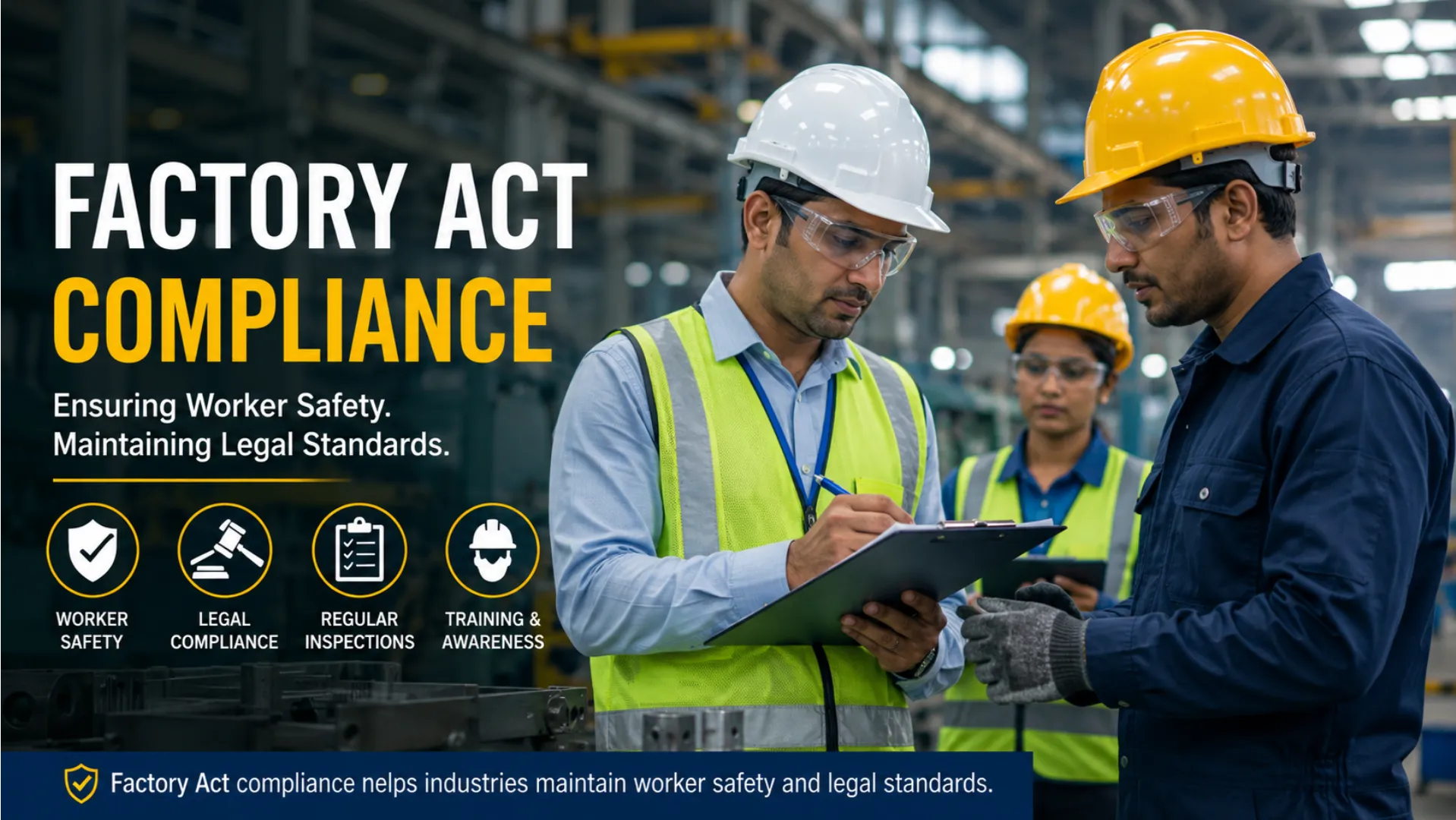
Factory Act compliance is an important part of running any industrial business in India. It helps factories follow legal rules related to worker safety, health, working conditions, and overall operational standards. Whether it is a small manufacturing unit or a large industrial plant, staying compliant with the Factory Act helps avoid legal issues, penalties, and workplace risks.
Industrial compliance is not just about paperwork. It plays a major role in creating a safe and productive work environment for employees. Proper safety measures, regular inspections, and following labour regulations help industries build trust and improve efficiency.
This guide will explain the basics of Factory Act compliance in India, including key legal requirements, safety regulations, documentation, inspections, and best practices industries should follow to stay compliant and operate smoothly.
What is Factory Act Compliance?
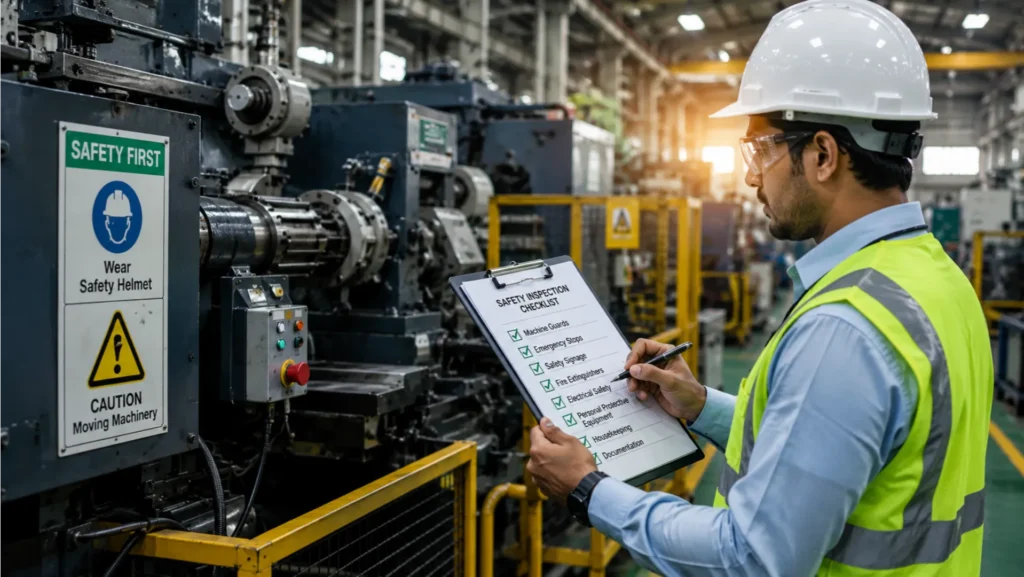
Factory Act compliance refers to following the rules and regulations defined under the Indian Factory Act to ensure safe, healthy, and legally approved industrial operations. It applies to factories and manufacturing units where workers, machinery, and production activities are involved. The main purpose of the Factory Act is to protect workers and create a safer working environment inside industrial facilities.
This law covers several important areas such as employee safety, working hours, sanitation, ventilation, machine safety, emergency exits, fire protection, and worker welfare facilities. It also ensures that factory owners meet legal requirements set by government authorities.
For industries, Factory Act compliance is not just about avoiding penalties or legal issues. It plays a major role in maintaining smooth operations, reducing workplace accidents, and improving employee confidence. A compliant factory is usually more organized, safer, and operationally efficient.
In real industrial environments, proper compliance helps businesses build trust with workers, inspectors, and clients while ensuring long-term operational stability and legal protection.
Objectives of the Factory Act
The main objective of the Factory Act is to protect workers and create a safe, healthy, and fair working environment in factories and industrial units. It ensures that employees are not exposed to unsafe conditions while performing their duties. The Act also focuses on improving the overall welfare of workers and maintaining proper workplace standards.
Key objectives of the Factory Act include:
- Protecting employee health and safety at the workplace
- Providing welfare measures such as clean drinking water, sanitation, and rest areas
- Ensuring safe working conditions with proper machinery and equipment handling
- Regulating working hours, overtime, and weekly holidays
- Preventing industrial accidents and reducing workplace hazards
- Promoting better working environments for higher productivity and employee well-being
By implementing these rules, the Factory Act helps industries maintain discipline, improve worker satisfaction, and ensure compliance with labor laws.
Who Needs Factory Act Compliance?
Factory Act compliance is important for any business involved in industrial manufacturing or production activities. It helps companies maintain worker safety, follow legal standards, and avoid penalties during inspections.
Industries that commonly require Factory Act compliance include manufacturing units, chemical plants, engineering companies, textile factories, pharmaceutical industries, oil refineries, and food processing units. Factories handling hazardous processes or dangerous chemicals must follow even stricter safety and environmental regulations under the Act.
In Gujarat, industrial areas such as Ahmedabad, Vadodara, Bharuch, Ankleshwar, Rajkot, and Surat have a large number of factories that fall under Factory Act regulations. For example, chemical industries in Ankleshwar, engineering companies in Rajkot, and refinery operations near Jamnagar must regularly maintain compliance documents, worker safety systems, and operational approvals.
Any factory employing workers with power-operated machinery should ensure proper Factory Act compliance to run operations smoothly and legally.
Key Factory Act Compliance Requirements
Factory License Requirements
Every factory must complete proper registration before starting operations. Under the Factory Act, businesses are required to obtain a factory license from the relevant government authority. The approval process usually includes submitting layout plans, safety details, worker information, and operational documents. Regular renewals and updates are also important to maintain legal compliance and avoid penalties or operational delays.
Worker Safety Measures
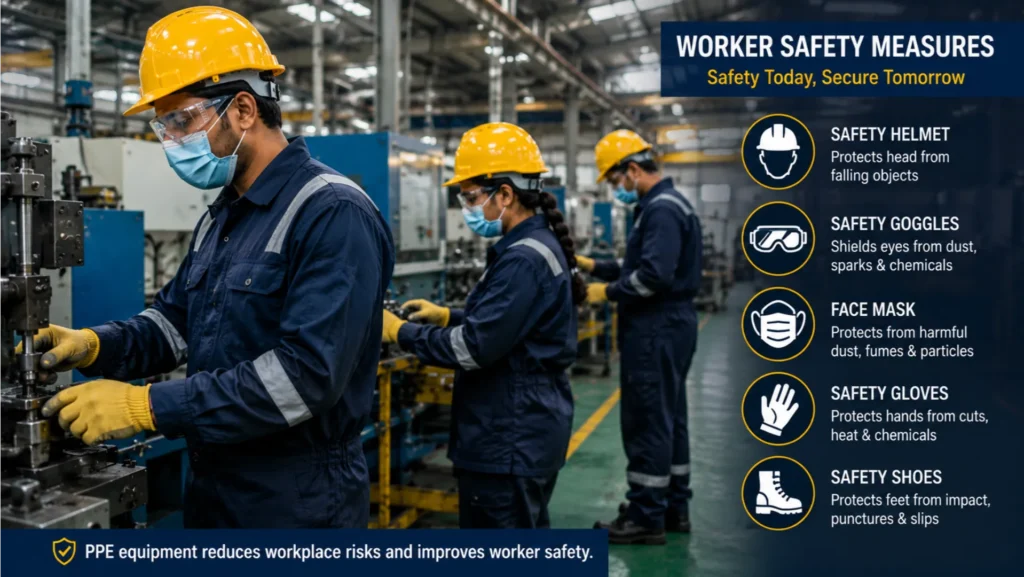
Worker safety is one of the most important parts of Factory Act compliance. Employers must provide proper personal protective equipment (PPE) such as helmets, gloves, masks, and safety shoes based on the nature of work. Regular safety training helps employees understand workplace risks and safe operating procedures. Factories should also maintain emergency preparedness plans, including evacuation procedures, first-aid support, and emergency response systems.
Fire & Machinery Safety
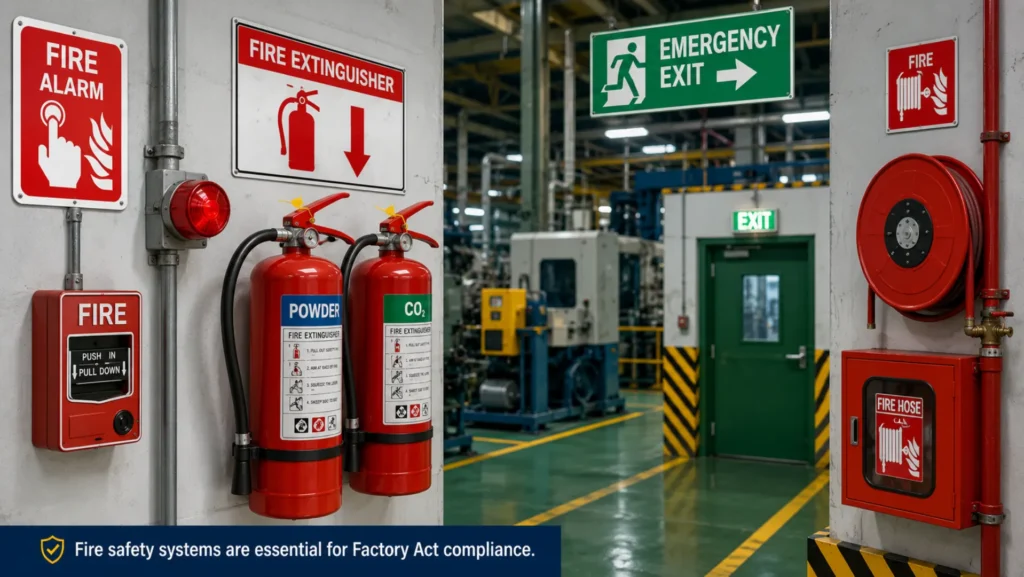
Factories must implement strong fire and machinery safety measures to reduce workplace accidents. Fire extinguishers, alarms, sprinklers, and emergency exits should be installed and maintained properly. Machine guarding is essential to protect workers from moving or hazardous machine parts. Regular equipment inspections and preventive maintenance help identify faults early and improve overall operational safety within the workplace.
Health & Hygiene Standards
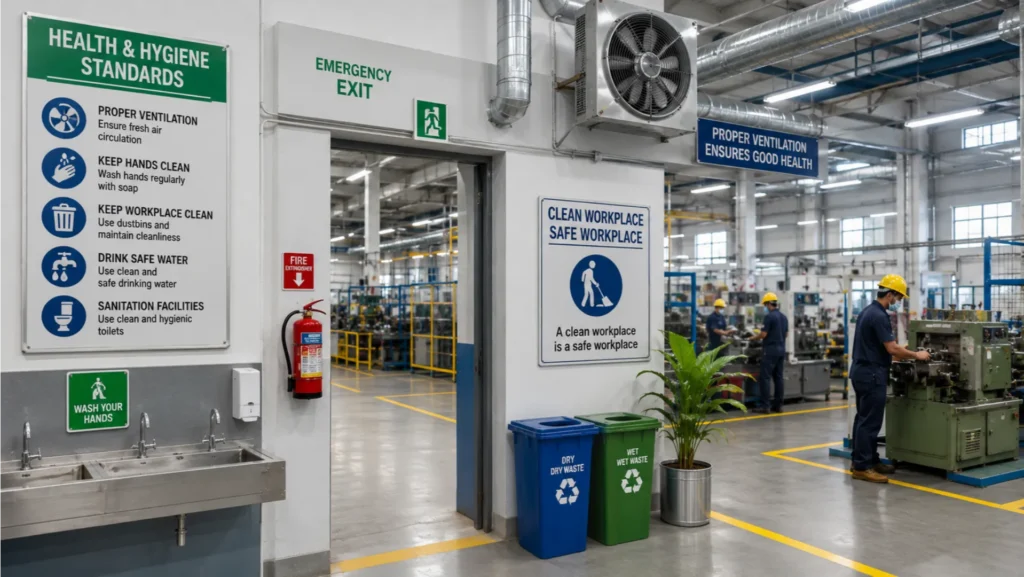
Maintaining proper health and hygiene standards is essential for creating a safe working environment. Factories should ensure good ventilation to control heat, dust, and harmful fumes. Workspaces must be kept clean and organized to reduce health risks. Employers are also responsible for providing safe drinking water, proper sanitation facilities, washrooms, and waste disposal systems for all workers inside the factory premises.
Working Hours & Labor Compliance
The Factory Act also regulates employee working hours and labor welfare practices. Employers must follow approved shift schedules and ensure workers receive proper rest intervals and weekly holidays. Overtime rules should be followed carefully, including fair compensation for extra working hours. Factories are also expected to support employee welfare through canteen facilities, seating arrangements, medical assistance, and other basic worker benefits.
Mandatory Factory Compliance Documents
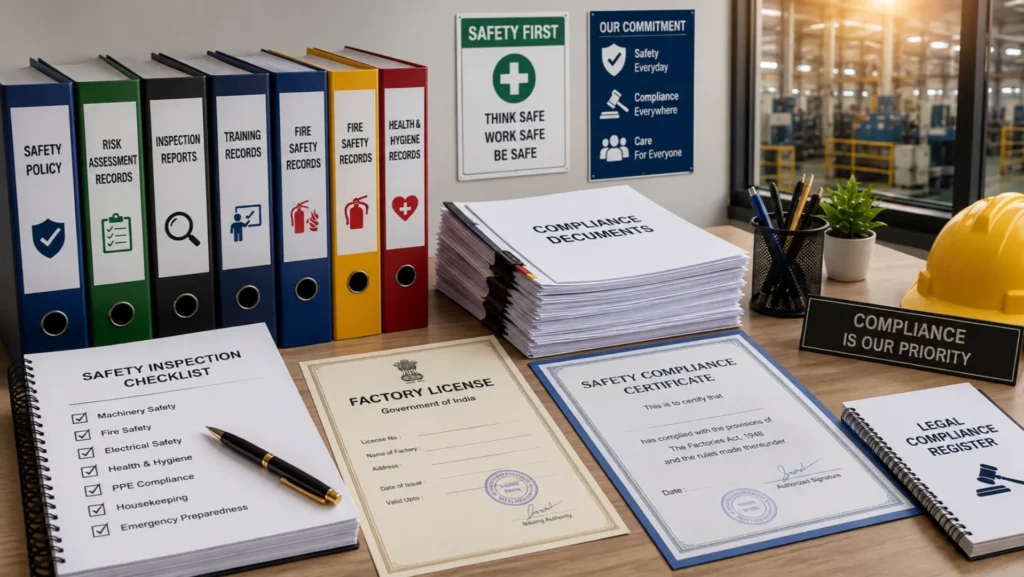
Every factory must maintain proper compliance documents to ensure workplace safety, legal compliance, and smooth operations. These records help during inspections and also protect both employers and employees. Keeping documents updated reduces the risk of penalties and operational issues.
| Compliance Document | Purpose |
| Inspection Registers | Maintain records of factory inspections, observations, and corrective actions taken. |
| Safety Records | Include fire safety checks, accident reports, safety training, and hazard management details. |
| Employee Records | Store employee attendance, wages, ID details, appointment letters, and working hours. |
| Equipment Certificates | Verify that machinery, boilers, lifts, and electrical systems are tested and certified regularly. |
| Medical and Health Reports | Keep employee health check-up reports, fitness certificates, and occupational health records. |
Proper documentation also improves transparency and helps factories meet government regulations efficiently. Regularly reviewing and updating these records is essential for maintaining long-term factory compliance and workplace safety.
Common Factory Act Violations
Many industries face compliance issues because they overlook basic safety and legal requirements under the Factory Act. One of the most common violations is missing safety systems, such as emergency exits, protective guards, warning signs, or proper ventilation. These gaps can increase the risk of workplace accidents and legal penalties.
Improper documentation is another major issue. Factories often fail to maintain inspection records, employee attendance logs, machine maintenance reports, or safety audit files. During inspections, missing paperwork can create serious compliance problems.
Unsafe machinery is also a frequent concern in manufacturing units. Machines without proper maintenance or safety covers can lead to worker injuries and operational downtime. In several industrial compliance cases, authorities have issued notices to factories for operating outdated or hazardous equipment.
Lack of employee training and fire safety violations are equally common. Workers should receive regular safety training, while factories must maintain fire extinguishers, alarms, and evacuation plans to meet legal standards and ensure workplace safety.
Penalties for Non-Compliance
Ignoring safety regulations and inspection standards can lead to serious consequences for factories and industrial facilities. Government authorities may impose heavy fines, penalties, or legal notices if businesses fail to meet required compliance standards. In severe cases, repeated violations can even result in temporary or permanent factory shutdowns.
Non-compliance can also create major legal problems after workplace accidents or equipment failures. Companies may face lawsuits, compensation claims, and damage to their reputation. Insurance providers may reject claims if proper inspections and maintenance records are missing, increasing financial losses for the business.
Following compliance standards not only protects workers and equipment but also helps companies avoid costly disruptions and legal risks.
Benefits of Factory Act Compliance
Following the Factory Act is not just about meeting legal requirements. It also helps businesses create a safer, more productive, and trustworthy work environment. When factories follow compliance standards properly, both employers and workers benefit in many ways.
Some key benefits of Factory Act compliance include:
- Improved worker safety by ensuring proper health measures, safety equipment, and workplace conditions
- Reduced workplace accidents through regular inspections, training, and safety protocols
- Higher productivity because employees feel secure, motivated, and comfortable while working
- Better legal protection by avoiding penalties, legal disputes, and government action
- Enhanced company reputation which builds trust among clients, employees, and business partners
- Reduced operational risk by identifying hazards early and maintaining smooth factory operations
Compliance also helps companies maintain discipline and standard operating procedures across departments. A legally compliant factory often experiences fewer disruptions and better employee retention. In today’s competitive industrial environment, businesses that prioritize compliance are seen as more reliable and professionally managed.
How to Choose a Factory Compliance Consultant
Choosing the right factory compliance consultant is important for maintaining safety, quality, and legal compliance in industrial operations. Start by checking the consultant’s industry experience and whether they have worked with factories similar to yours. Look for relevant certifications and strong knowledge of industrial regulations, safety standards, and environmental requirements.
A reliable consultant should also have solid audit capabilities and practical inspection expertise to identify risks before they become major issues. Ask about their inspection process, reporting style, and previous client results.
Practical tips include reviewing client testimonials, comparing service packages, and selecting a consultant who offers clear communication and long-term compliance support. A proactive consultant can help improve efficiency while reducing operational risks.
Why Choose Trivedi Associates for Factory Act Compliance?
When it comes to Factory Act compliance, businesses need more than just paperwork support. They need experienced professionals who understand industrial operations, safety standards, and government regulations. Trivedi Associates brings years of experience in handling industrial compliance requirements across Gujarat, helping factories stay legally compliant and operationally safe.
Their team offers complete support for Factory Act registrations, amendments, approvals, inspection services, and compliance documentation. They also assist with safety audits and workplace inspections to identify risks and improve industrial safety standards. With strong knowledge of Gujarat’s industrial regulations and manufacturing environment, they provide practical and industry-specific compliance solutions for different sectors.
What makes them reliable is their hands-on approach, quick response, and deep understanding of compliance procedures. Whether you run a small manufacturing unit or a large industrial facility, their experienced compliance professionals help simplify the entire process while reducing compliance risks and delays.
Frequently Asked Questions (FAQs)
What is Factory Act compliance?
Factory Act compliance refers to following the legal rules and safety standards defined under the Factories Act. It includes worker safety, health measures, working hours, proper ventilation, machinery safety, fire protection, and maintaining required records and licenses.
Who needs Factory Act registration?
Any manufacturing unit or factory that employs the minimum number of workers defined by law and uses power-driven machinery usually requires Factory Act registration. The exact requirement may vary depending on local regulations and state authorities.
Is Factory Act compliance mandatory?
Yes, Factory Act compliance is mandatory for eligible factories. Businesses must follow all applicable safety and operational regulations to avoid legal issues, penalties, or shutdown notices.
What documents are required for compliance?
Common documents include factory license applications, layout plans, employee records, safety certificates, machinery details, inspection reports, and environmental approvals. Additional documents may be required depending on the type of industry.
What happens if a factory is non-compliant?
Non-compliance can lead to fines, legal action, suspension of operations, or cancellation of licenses. It may also increase workplace accidents and damage the company’s reputation.
How often should factory safety inspections be done?
Factory safety inspections should be conducted regularly. Many businesses perform monthly internal checks and annual professional inspections to ensure continuous Factory Act compliance and workplace safety.
Conclusion
Factory Act compliance is essential for maintaining a safe, legally compliant, and productive workplace. Regular inspections and audits help businesses identify risks early, avoid penalties, and improve overall operational efficiency. They also create a safer environment for employees, which builds trust and supports long-term business growth.
Working with experienced compliance professionals makes the process much easier and more accurate. Expert guidance ensures all legal requirements are properly managed, documentation stays updated, and inspections are handled smoothly. If you want to simplify Factory Act compliance and avoid unnecessary legal issues, it is always best to seek support from trusted compliance experts.